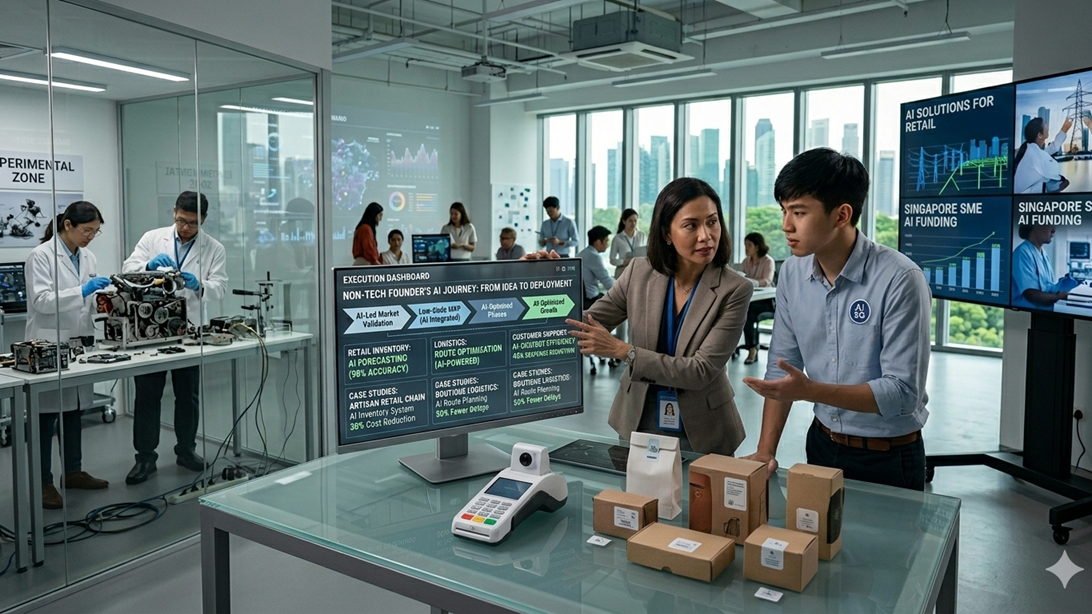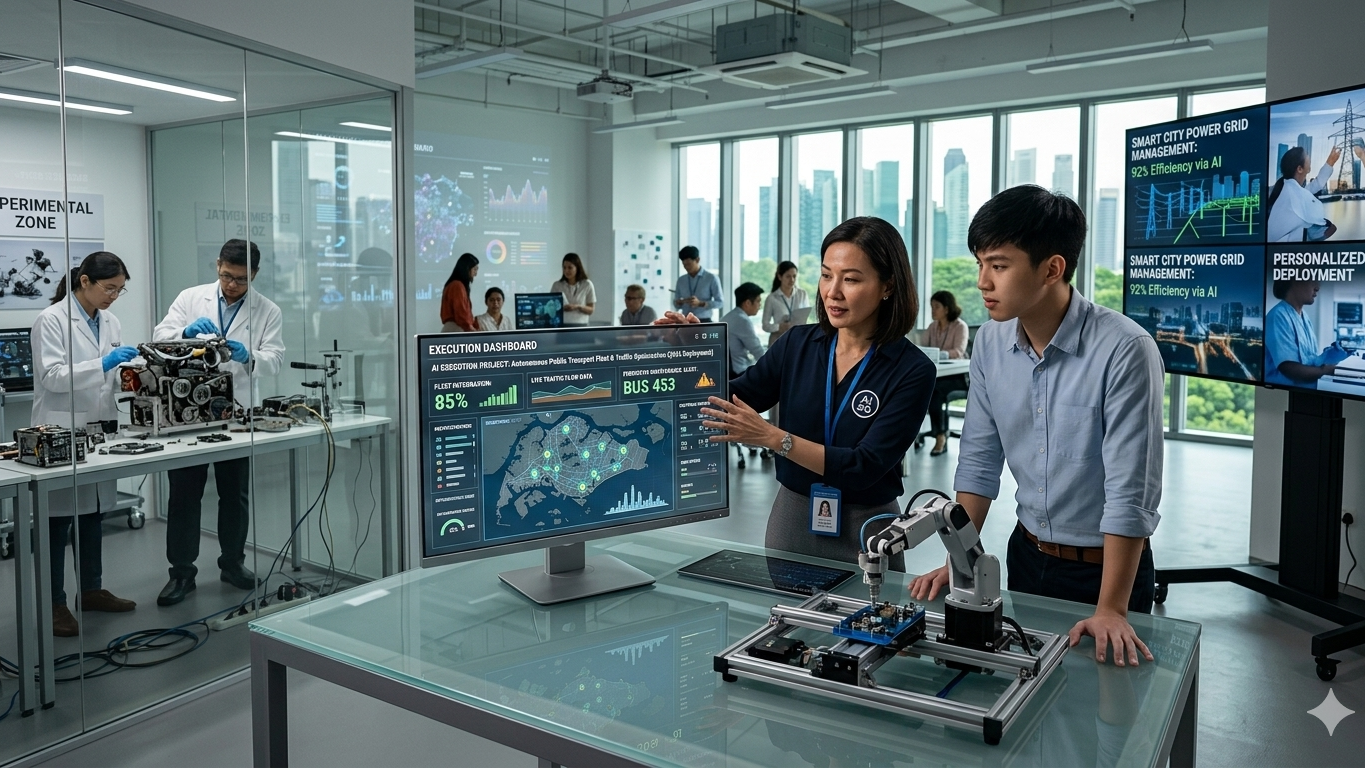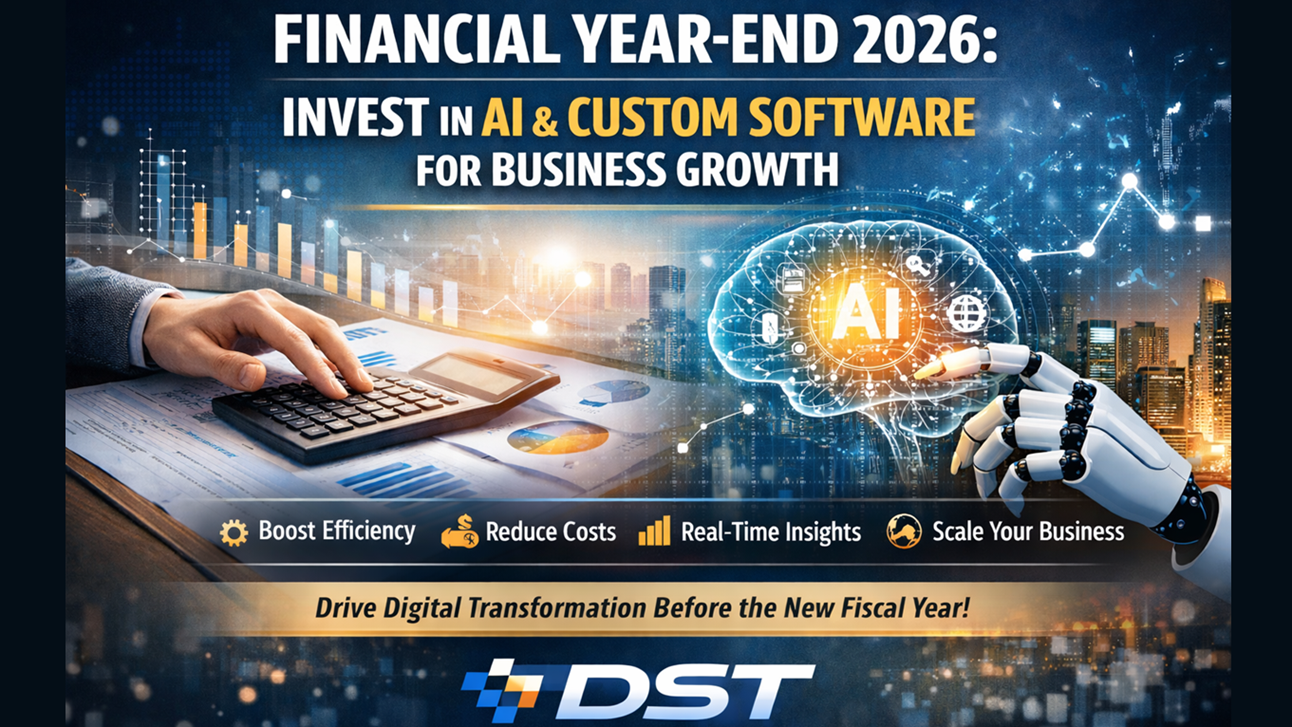
The rise of AI agents is not just another phase in digital transformation—it is a fundamental shift in how organizations design, manage, and scale their workforce. In 2026, CEOs are no longer asking whether to adopt AI; they are actively restructuring their organizations around it.
AI agents—systems capable of executing tasks, making decisions, and collaborating with humans—are redefining what a “workforce” means. The result is a transition from traditional employee-centric models to hybrid human + AI workforce strategies.
AI Is Becoming Core to Workforce Planning
Artificial intelligence has rapidly moved from experimentation to mainstream adoption. Today, over 75% of companies are already using AI in at least one business function, and adoption continues to accelerate across industries .
More importantly, CEOs are not just adopting AI tools—they are investing in AI agents as operational assets. Around 61% of CEOs globally are actively implementing or planning to scale AI agents, showing that agentic AI is becoming a strategic priority .
This signals a major shift:
AI is no longer a support tool—it is becoming part of the workforce itself.
From Workforce Expansion to Workforce Optimization
Traditionally, growth meant hiring more employees. In 2026, CEOs are shifting focus toward maximizing output with fewer, more capable teams.
AI agents enable:
- Automation of repetitive and rule-based tasks
- Continuous 24/7 operations without fatigue
- Faster execution of complex workflows
As a result, organizations are moving from headcount-driven growth to productivity-driven growth.
Some studies indicate that up to 41% of employers may reduce parts of their workforce over time due to AI-driven efficiency gains . However, this does not mean pure job loss—it reflects a broader transformation in how work is structured.
The Rise of Hybrid Teams: Humans + AI Agents
One of the most defining trends is the emergence of hybrid teams, where humans and AI agents work together.
Research shows:
- 80% of CEOs expect humans and AI agents to collaborate closely in the near future
- Many organizations are preparing for a model where employees manage AI agents as part of their daily roles
This introduces a new concept:
👉 Employees are no longer just workers—they are becoming “AI managers” or “agent supervisors.”
This shift is redefining roles across departments:
- Marketing teams use AI for content and analytics
- HR teams use AI for screening and onboarding
- Operations teams use AI for process automation
Skills Are Replacing Roles in CEO Strategy
AI agents are accelerating the transition from role-based hiring to skills-based workforce models.
Instead of hiring for fixed job titles, CEOs are prioritizing:
- AI literacy
- Problem-solving ability
- Data-driven decision-making
- Ability to collaborate with intelligent systems
In fact, 81% of organizations are already reskilling or planning to reskill employees to adapt to AI-driven roles .
Additionally, professionals with AI-related skills are earning significantly more, highlighting a growing premium on AI capability in the workforce .
Organizational Structures Are Becoming Flatter
AI agents are reducing the need for multiple layers of management.
Key changes include:
1. Reduced Middle Management
AI handles reporting, coordination, and analytics, reducing dependency on manual oversight.
2. Faster Decision-Making
AI-driven insights allow CEOs and leaders to make quicker, data-backed decisions.
3. Agile Business Models
Organizations can scale operations without proportional increases in workforce size.
In fact, around 20% of organizations are already planning to flatten hierarchies using AI .
AI Agents Are Driving Productivity and Cost Efficiency
One of the biggest reasons CEOs are prioritizing AI agents is measurable business impact.
AI adoption is delivering:
- Significant time savings in daily tasks
- Increased operational efficiency
- Lower cost per output
Studies show that 50% of companies are now using AI not just for productivity, but to fundamentally rethink how work is done .
This is why AI is moving from experimentation to enterprise-wide deployment.
Workforce Transformation, Not Just Replacement
While there is concern about job displacement, the real trend is workforce transformation.
Recent developments show:
- Some companies are restructuring or reducing roles due to AI
- Others are increasing hiring in AI-related areas
- New job categories are emerging (AI specialists, AI operations managers)
The key insight:
👉 AI is not simply eliminating jobs—it is changing the nature of jobs.
The New Role of CEOs in the AI Era
AI adoption is no longer a technical decision—it is a leadership responsibility.
CEOs are now expected to:
- Drive AI strategy at the organizational level
- Align AI investments with business outcomes
- Manage workforce transformation proactively
- Ensure ethical and responsible AI use
In many organizations, AI has become a boardroom agenda item, influencing long-term growth strategies.
Challenges CEOs Must Address
Despite the opportunities, AI-driven workforce transformation comes with challenges:
1. Skill Gaps
Many employees are not yet equipped to work with AI systems.
2. Change Resistance
Workforce adaptation requires cultural transformation, not just technology.
3. Governance and Ethics
AI decision-making must be transparent and accountable.
4. Integration Complexity
Scaling AI across enterprise systems remains a major hurdle.
What CEOs Should Do Next
To stay competitive, CEOs must take a structured approach:
1. Build an AI-First Workforce Strategy
Integrate AI into every business function, not just IT.
2. Invest in Reskilling
Make AI literacy a core capability across teams.
3. Redesign Roles
Shift employees from execution tasks to strategic and creative roles.
4. Deploy AI Agents Strategically
Focus on high-impact areas like operations, customer service, and analytics.
5. Measure ROI Continuously
Track productivity, efficiency, and business outcomes.
Conclusion
AI agents are fundamentally reshaping workforce strategies at the highest level of leadership. CEOs are transitioning from managing human teams to orchestrating hybrid ecosystems of humans and intelligent agents.
The organizations that succeed in this new era will not be those that simply adopt AI—but those that redesign their workforce around it.
In 2026, the competitive advantage lies in one key capability:
👉 How effectively a company can combine human intelligence with AI-driven execution.