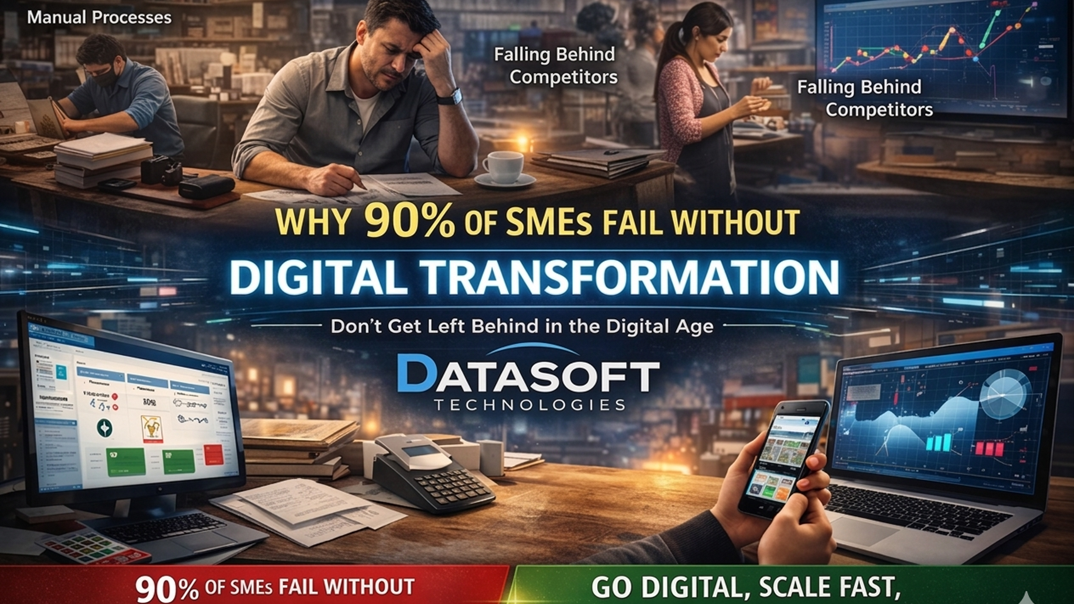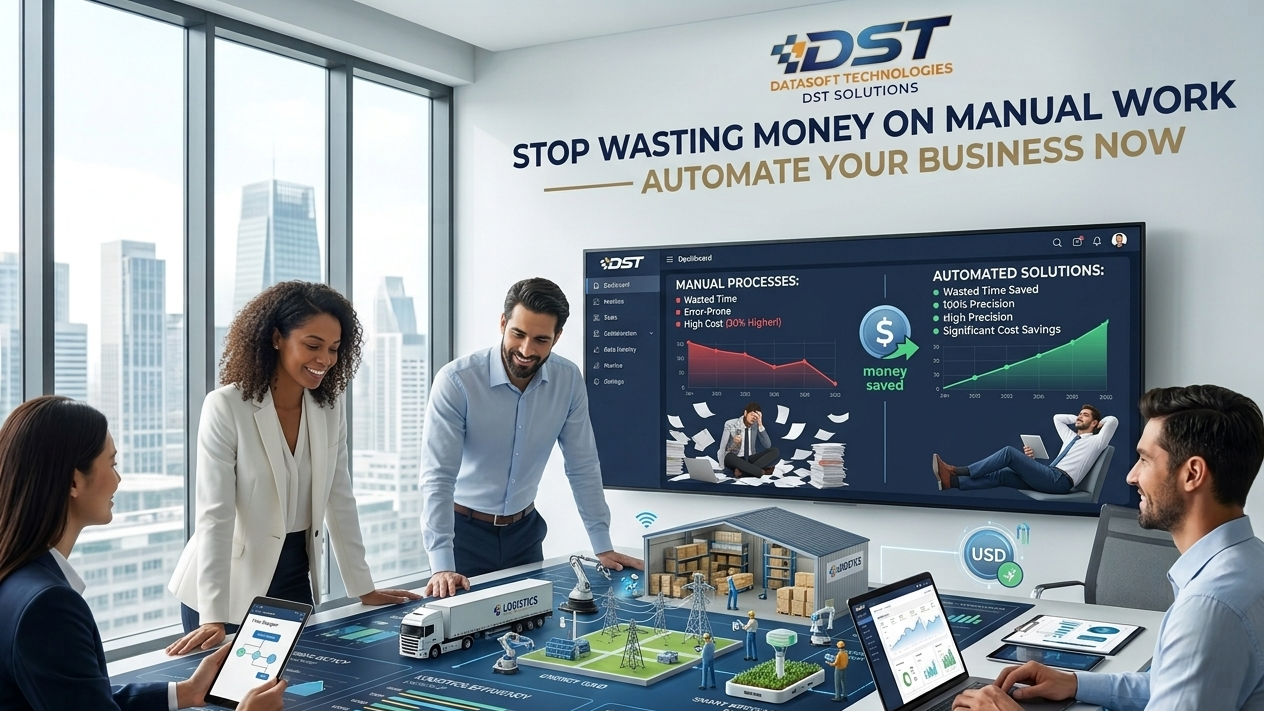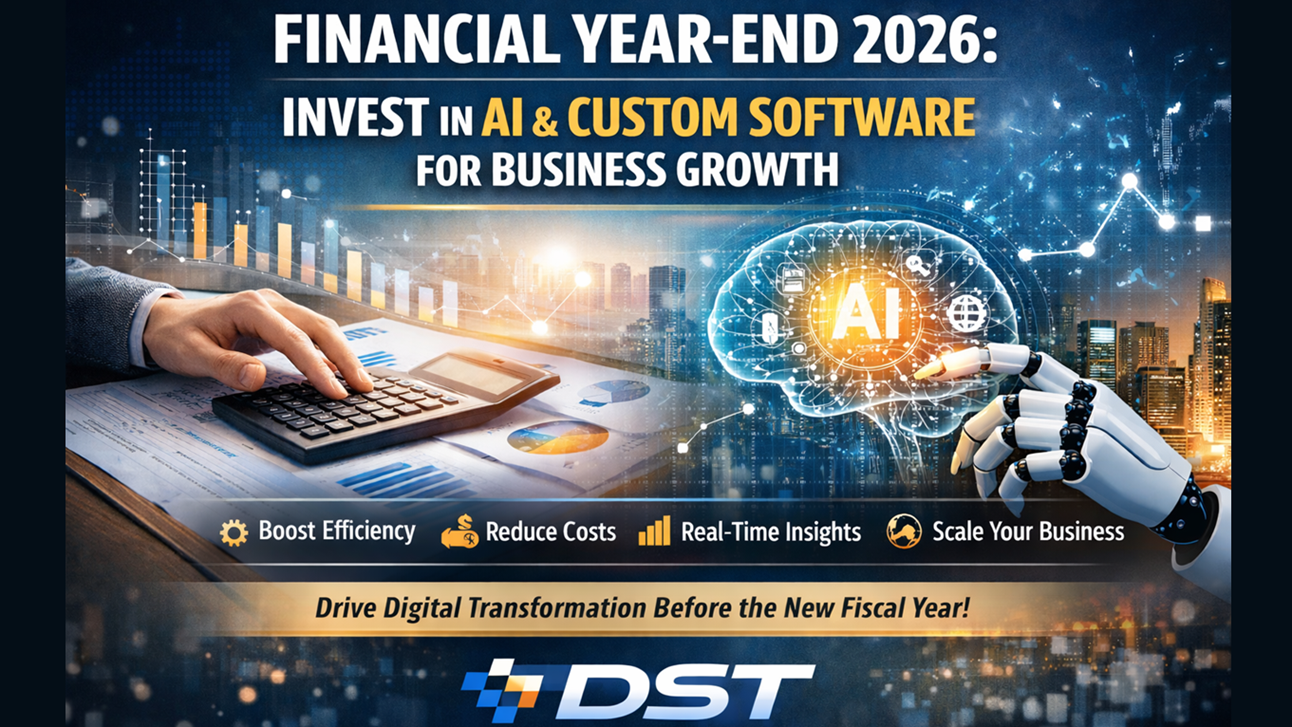
In today’s rapidly evolving digital economy, Artificial Intelligence (AI) is no longer limited to technology companies. Non-IT businesses across industries—manufacturing, retail, healthcare, logistics, education, and finance—are increasingly adopting AI to improve efficiency, reduce operational costs, and unlock new growth opportunities.
For business leaders, the question is no longer “Should we adopt AI?” but rather “How can AI strategically accelerate our business growth?”
The New Competitive Advantage for Non-IT Businesses
Artificial Intelligence has become a powerful tool for companies that want to remain competitive in a data-driven market. By automating repetitive tasks, analyzing large volumes of data, and providing predictive insights, AI enables organizations to make faster and smarter decisions.
Industries that traditionally relied on manual processes are now experiencing significant transformation through AI adoption. From predicting customer behavior to optimizing supply chains, AI allows businesses to operate more intelligently and efficiently.
For leadership teams, this means improved productivity, higher profitability, and stronger market positioning.
1. Smarter Decision-Making Through Data Insights
Many non-IT businesses collect large amounts of data but struggle to convert it into actionable insights. AI tools can analyze historical and real-time data to identify patterns and trends that humans may overlook.
For example, AI can help leaders answer critical questions such as:
- Which products generate the highest profit margins?
- Which customer segments are most likely to convert?
- When should inventory levels be increased or reduced?
By leveraging predictive analytics, leadership teams can make strategic decisions backed by data rather than assumptions.
2. Automating Repetitive Business Processes
Operational efficiency is one of the biggest advantages AI offers to non-IT businesses. AI-driven automation can handle repetitive and time-consuming tasks such as:
- Customer support responses
- Invoice processing
- Data entry and document management
- Appointment scheduling
This allows employees to focus on higher-value activities like strategy, innovation, and customer engagement.
For business leaders, automation translates directly into lower operational costs and improved productivity.
3. Enhancing Customer Experience
Customer expectations are evolving rapidly. Modern consumers expect personalized, fast, and efficient interactions with businesses.
AI enables companies to deliver better customer experiences through:
- Intelligent chatbots that provide 24/7 support
- Personalized product recommendations
- AI-powered customer behavior analysis
- Faster response times and service delivery
Businesses that leverage AI for customer engagement often experience higher customer satisfaction and improved retention rates.
4. Optimizing Supply Chain and Operations
Supply chain management can be complex, especially for manufacturing, logistics, and retail businesses. AI helps organizations optimize their operations by forecasting demand, managing inventory, and identifying supply chain disruptions early.
AI systems can analyze historical data and market conditions to predict demand fluctuations, helping businesses avoid overstocking or stock shortages.
For leadership teams, this means more efficient operations and better resource allocation.
5. Improving Sales and Marketing Performance
AI is transforming the way businesses approach sales and marketing. Advanced AI tools can analyze customer data to identify potential leads and predict buying behavior.
Some key AI applications in marketing include:
- Automated email marketing campaigns
- Lead scoring and qualification
- Predictive customer analytics
- Targeted digital advertising
By using AI-powered insights, businesses can focus their marketing efforts on high-value prospects, resulting in higher conversion rates and increased revenue.
6. Reducing Business Risks
AI can also play a significant role in risk management. Machine learning algorithms can detect unusual patterns in financial transactions, operational processes, or cybersecurity activities.
This helps businesses identify potential risks such as:
- Fraudulent transactions
- Operational inefficiencies
- Security threats
- Financial anomalies
With AI monitoring critical processes, leaders gain greater visibility and control over business risks.
Strategic Questions Leaders Should Ask Before Adopting AI
To successfully implement AI, leadership teams should consider the following questions:
- Which business processes can benefit most from automation?
- What data does our organization currently collect, and how can it be used effectively?
- Do we have the right technology partners to implement AI solutions?
- How will AI integration impact our workforce and operations?
Answering these questions helps organizations develop a clear AI adoption strategy aligned with business goals.
The Future of AI in Non-IT Businesses
AI adoption is expected to accelerate significantly over the next decade. Businesses that start integrating AI today will gain a substantial competitive advantage.
For non-IT companies, AI is not about replacing human expertise—it is about enhancing decision-making, improving operational efficiency, and enabling smarter business growth.
Forward-thinking leaders who embrace AI will be better equipped to navigate market disruptions and drive sustainable growth.
Final Thoughts
Artificial Intelligence is no longer a futuristic concept—it is a practical business tool that can transform how non-IT organizations operate. From smarter decision-making and operational automation to improved customer experiences and stronger marketing strategies, AI offers countless opportunities for growth.
For business leaders, the key is to adopt AI strategically and partner with the right technology experts to implement scalable solutions.
Organizations that embrace AI today will not only improve their efficiency but also position themselves as future-ready enterprises in an increasingly competitive marketplace.